Angebot anfordern
Erzählen Sie uns von Ihrem Projekt, und unser Vertriebsteam sendet Ihnen innerhalb von 24 Stunden ein maßgeschneidertes Angebot.

Sowohl Indoorspielplätze als auch Outdoor-Spielplätze können profitabel sein, doch sie erfüllen unterschiedliche Bedürfnisse. Vergleichen Sie die Vor- und Nachteile, um zu entscheiden, welches zu Ihrem Veranstaltungsort und Geschäftsmodell passt.
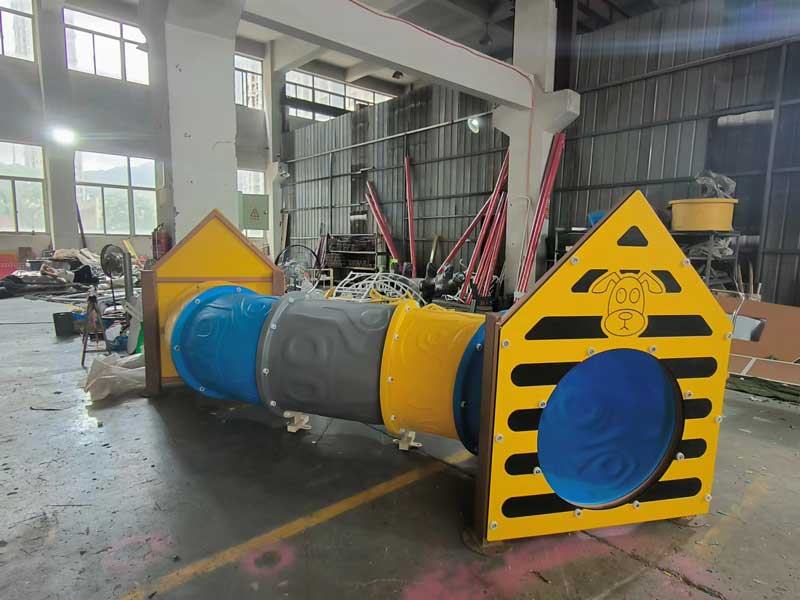
Indoor- und Outdoor-Spielplätze ziehen beide Familien an und erzielen stabile Einnahmen, erfüllen jedoch unterschiedliche Bedürfnisse. Wenn Sie die Unterschiede verstehen, können Sie den richtigen Typ für Ihren Veranstaltungsort, Ihr Budget und Ihren Markt auswählen.
Indoor-Spielplätze sind wetterunabhängig und ganzjährig in Betrieb, was sie ideal für Einkaufszentren, Familienunterhaltungszentren, Kitas und Restaurants macht. Sie umfassen typischerweise Soft-Spielstrukturen, Ballbäder, Rutschen, Trampoline und themenbezogene Zonen für verschiedene Altersgruppen.
Outdoor-Spielplätze erlauben größere Strukturen und aktiveres Spiel: hohe Rutschen, Klettertürme, Seilkletterer, Schaukeln und Wasserspiel. Sie eignen sich hervorragend für Parks, Gemeinden, Resorts, Schulen und Hotels und können bei gutem Wetter hohe Besucherzahlen bewältigen.
Bei der Wahl sollten Sie Ihren verfügbaren Platz, das Budget, die Wartungskapazität, das lokale Klima und die Zielnutzer berücksichtigen. Outdoor-Projekte benötigen eine sichere Bodenabdeckung wie Gummifliesen oder Sand, während Indoor-Projekte eine ordnungsgemäße Belüftung und regelmäßige Reinigung erfordern.
Viele Orte kombinieren beides: einen Outdoor-Spielplatz für den Tag und eine indoor Soft-Spielzone für Regentage oder Abendstunden. Dieses gemischte Modell maximiert Nutzung und Einnahmen.
Honson entwirft und fertigt sowohl Indoor- als auch Outdoor-Spielplatzausstattung mit OEM/ODM-Anpassung. Kontaktieren Sie uns für eine kostenlose Beratung, und wir helfen Ihnen, die beste Lösung für Ihren Standort zu wählen.